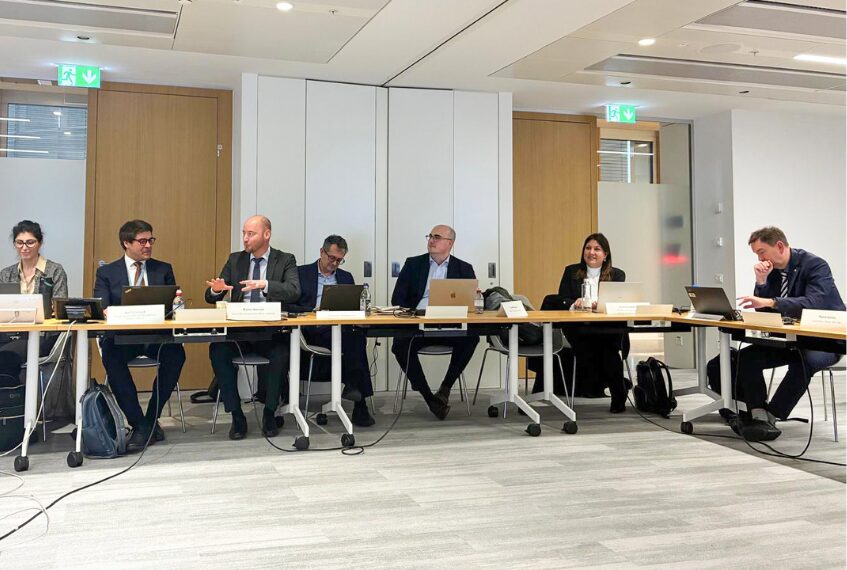


With the objective of strengthening the management, availability, and dissemination of statistical information on the energy sector in Latin America and the Caribbean, the official launch of the National Energy Information System – sieBolivia was carried out. This digital platform was developed by the Latin American and Caribbean Energy Organization (OLACDE), in collaboration with the Ministry of Hydrocarbons and Energy (MHE) of Bolivia and with financing from the French Development Agency (AFD).
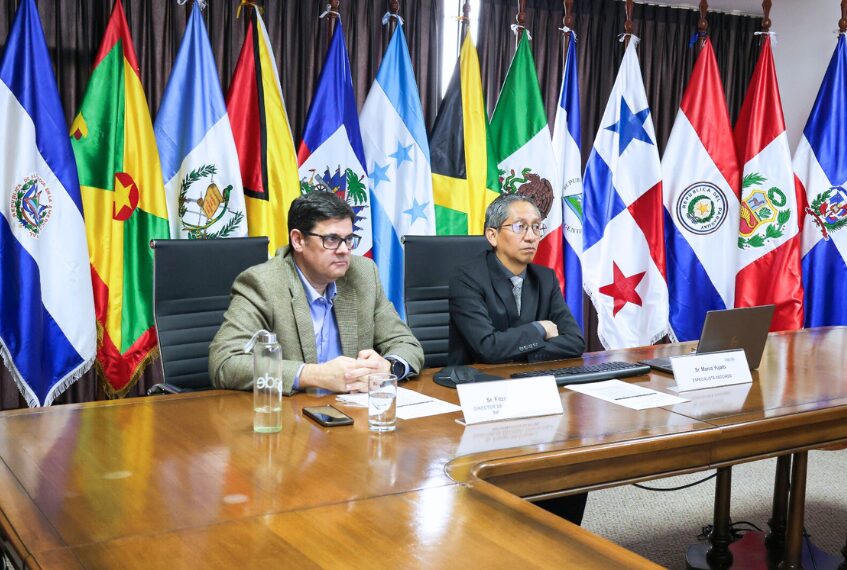
sieBolivia is a strategic tool for the modernization and standardization of the country’s energy data, strengthening processes for planning, public policy formulation, and sector performance evaluation. During the launch event, Fitzgerald Cantero, Director of Studies, Projects and Information at OLACDE, and Marco Yujato, Specialist at the Organization, presented the main results of the technical assistance provided for the implementation of the system. They emphasized that the platform makes it possible to integrate, process, and publish reliable and standardized energy information, automate data management through modern Internet-based technologies, and ensure the sustainability of information through the Inter-Institutional Committee on Energy Information.
It was also highlighted that sieBolivia optimizes the administration of national energy data, facilitates informed decision-making, and promotes transparency in public sector management, while strengthening institutional capacities and interoperability among entities linked to the national energy chain.
With the implementation of this platform, Bolivia moves toward a more efficient, modern, and evidence-based energy management model, consolidating itself as a regional reference in the development and application of energy information systems. This initiative is part of OLACDE’s ongoing commitment to supporting its Member Countries in strengthening statistical systems, advancing regional energy integration, and promoting policies that contribute to a sustainable energy transition.