

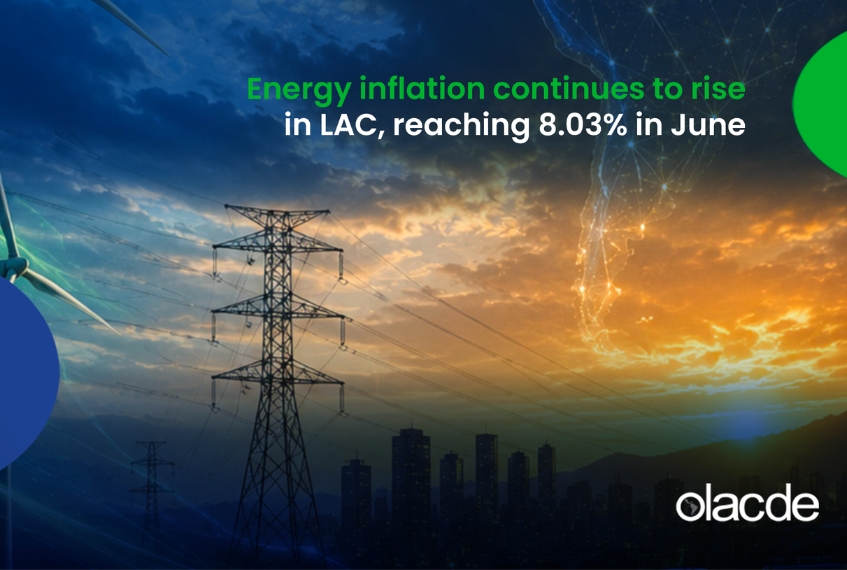
Latin America and the Caribbean (LAC) ended the first half of 2026 with a sharp acceleration in energy prices. Year-on-year energy inflation reached 8.03% in June, the highest level recorded during the period under review and nearly twice the headline inflation rate of 4.49%, according to the latest energy inflation report by the Latin American Energy Organization (OLACDE). The figures show that fuel and electricity prices have risen considerably faster than other goods and services included in the consumer price index.
The increase has been driven primarily by geopolitical tensions in the Middle East and risks to oil supplies, which have pushed up costs associated with imports, refining and transportation. These pressures have filtered through to domestic markets, particularly fuel prices. In June, the regional average gasoline price reached its highest level of the first half of the year.
The impact of international price movements, however, is neither immediate nor uniform for consumers. During the first weeks of the conflict, oil prices rose by around 60%, while fuel prices increased by nearly 20%. Although crude oil prices subsequently retreated from their peaks, higher fuel prices persisted across the region, highlighting a lag between movements in international oil markets and the prices paid by consumers domestically.
The data also reveal significant differences across countries. Subsidies, price controls and stabilization mechanisms allow some markets to maintain relatively low prices, while others face higher costs due to their pricing structures and greater logistical and operational expenses. Refining, transportation, insurance, taxes, commercial margins, exchange-rate volatility and regulatory rigidities can also delay reductions in final consumer prices even when international oil prices decline.
Fuel price trends confirm this downward resistance. OLACDE’s report shows that the regional average gasoline price rose from USD 1.19 per litre in February to USD 1.38 in June and remained at USD 1.38 during the first two weeks of August. Diesel prices increased from USD 1.12 per litre in February to USD 1.30 in June, returning to the same average level during the first two weeks of August.
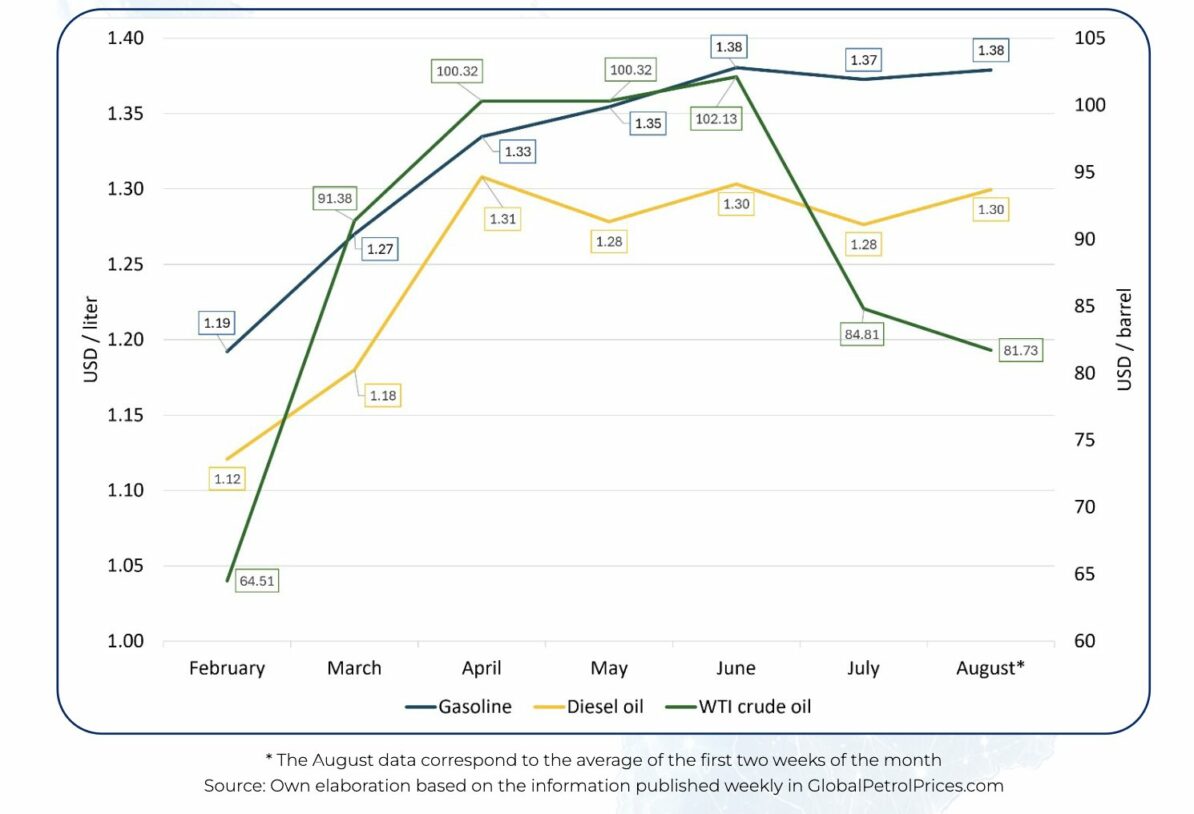
Persistently high fuel prices are extending their impact beyond the energy sector, raising the cost of mobility and freight transportation, putting pressure on household expenditure and increasing production costs. The report identifies liquid fuels as the main driver of the region’s rising energy inflation, in a context where fluctuations in international oil prices do not automatically translate into lower costs for consumers.
Read our Energy Inflation Report No. 27: https://www.olade.org/en/publicaciones/report27-ei-lac/