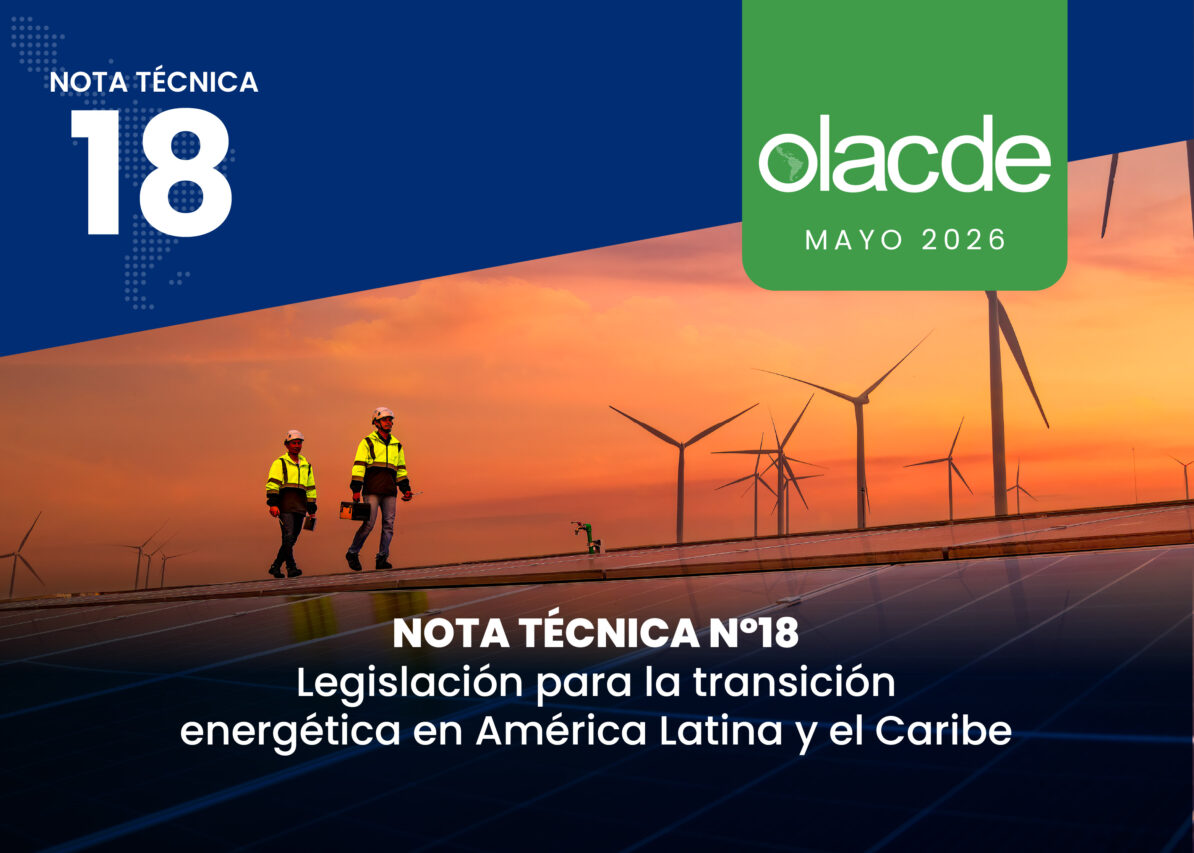


This publication analyzes the regulatory frameworks needed to accelerate the energy transition in Latin America and the Caribbean (LAC). It examines the current state of renewable energy in the region, identifies the institutional and regulatory gaps that limit its expansion, and proposes legislative guidelines to strengthen regional energy integration.
The study highlights that, despite having one of the cleanest electricity matrices in the world, LAC faces structural challenges such as high hydropower dependence, limited regional interconnection, unequal access to safe energy, and the need for a just transition that includes workers, communities, and vulnerable sectors. It also addresses key topics such as electromobility, energy efficiency, green hydrogen, energy districts, and the strategic role of critical minerals.
The document underscores that the energy transition is a political and institutional process, not merely a technological one. For this reason, parliaments in the region play a decisive role in creating modern, flexible, and long‑term regulatory frameworks. The Technical Note proposes moving toward harmonized standards, common principles, and State policies that enable the consolidation of cleaner, more resilient, and more integrated energy systems.