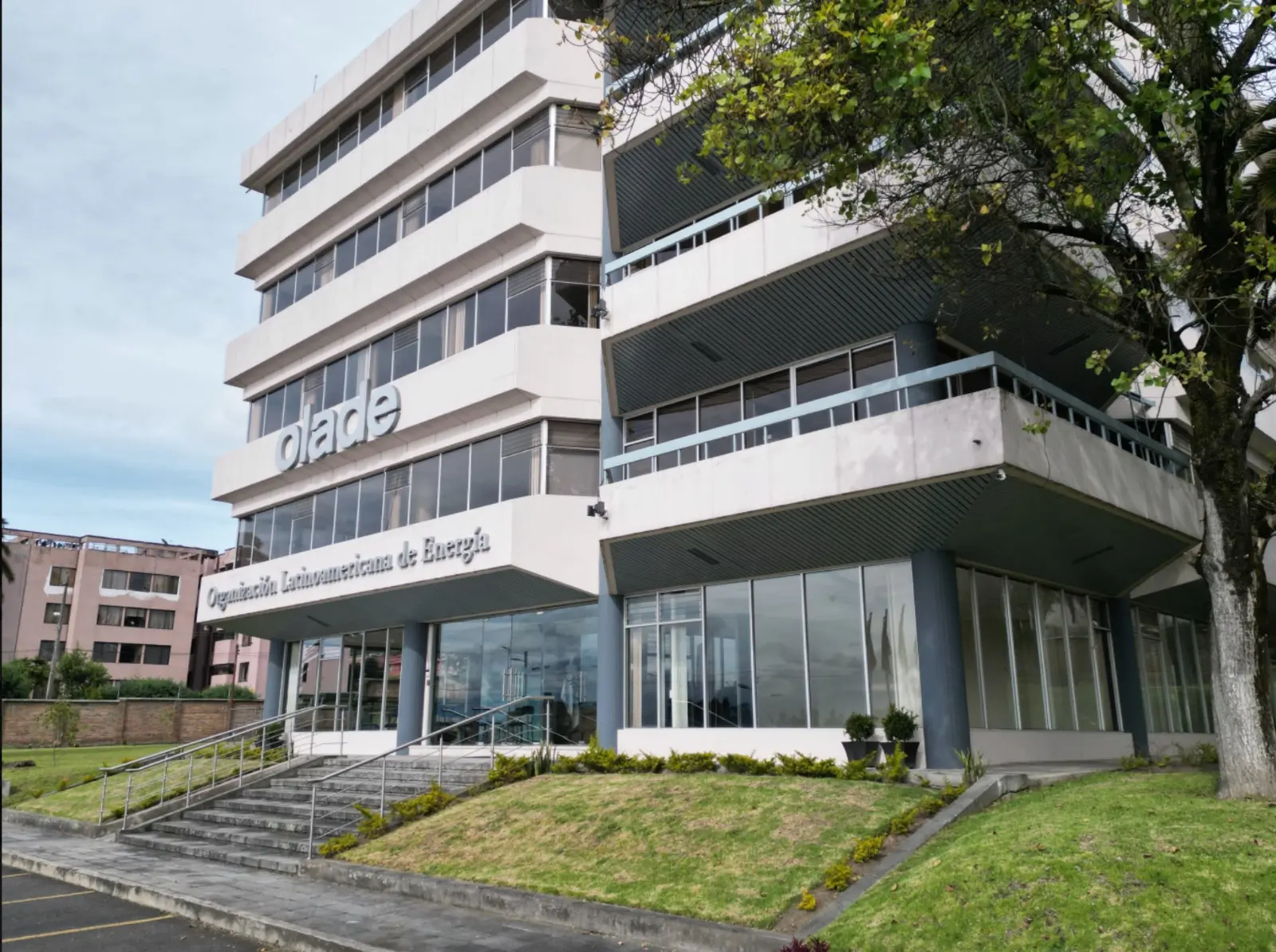
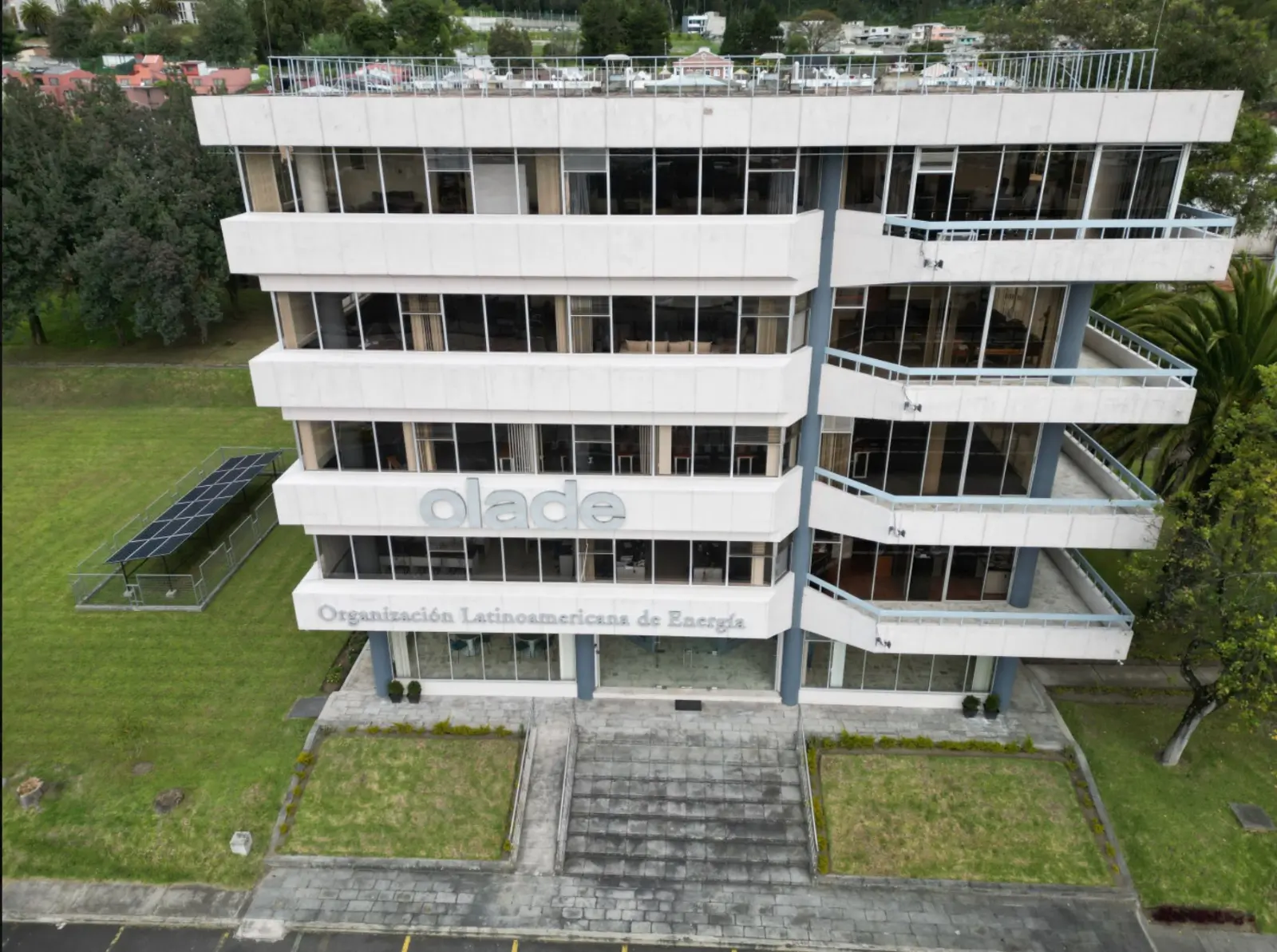
OLACDE - Latin American and Caribbean Energy Organization

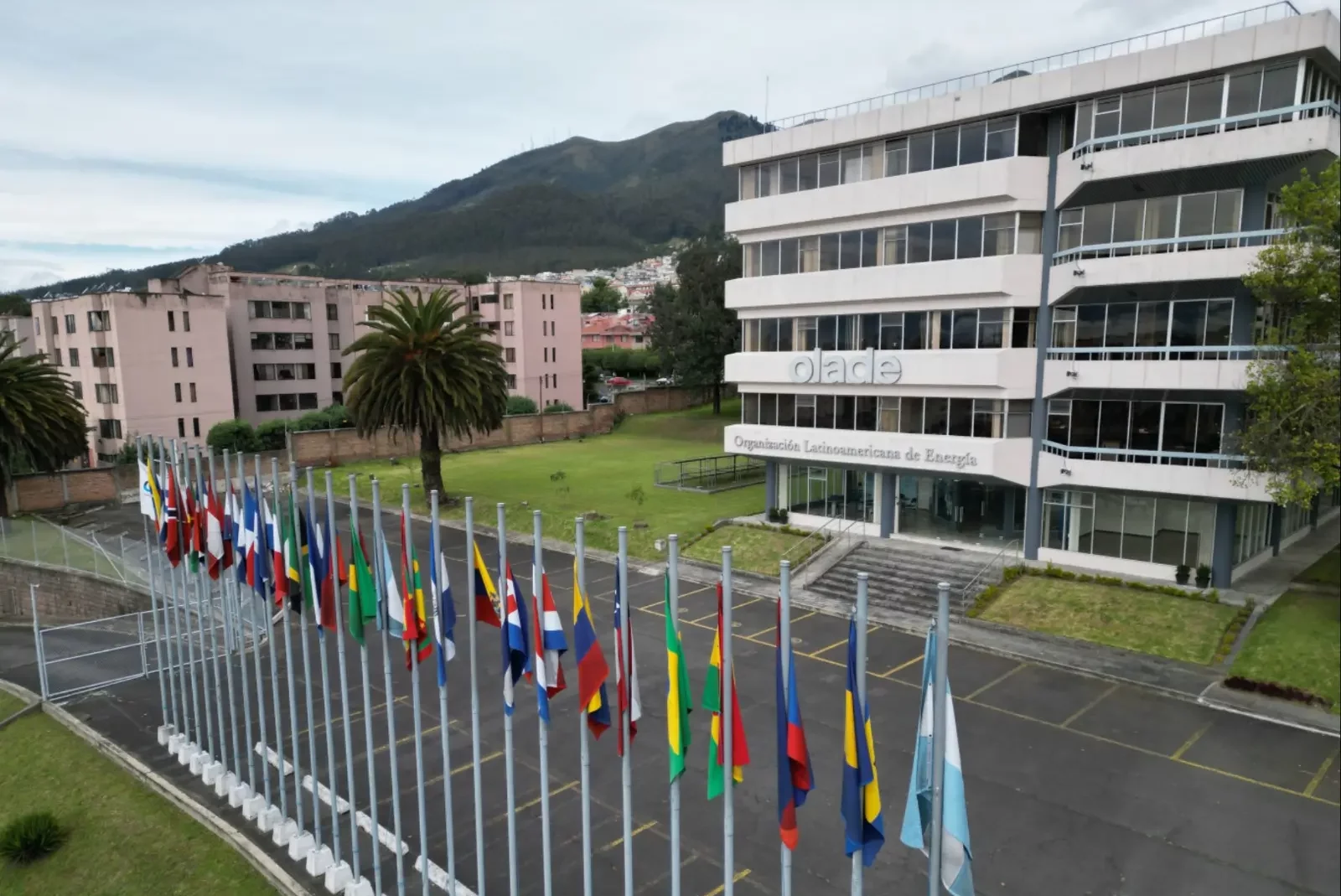
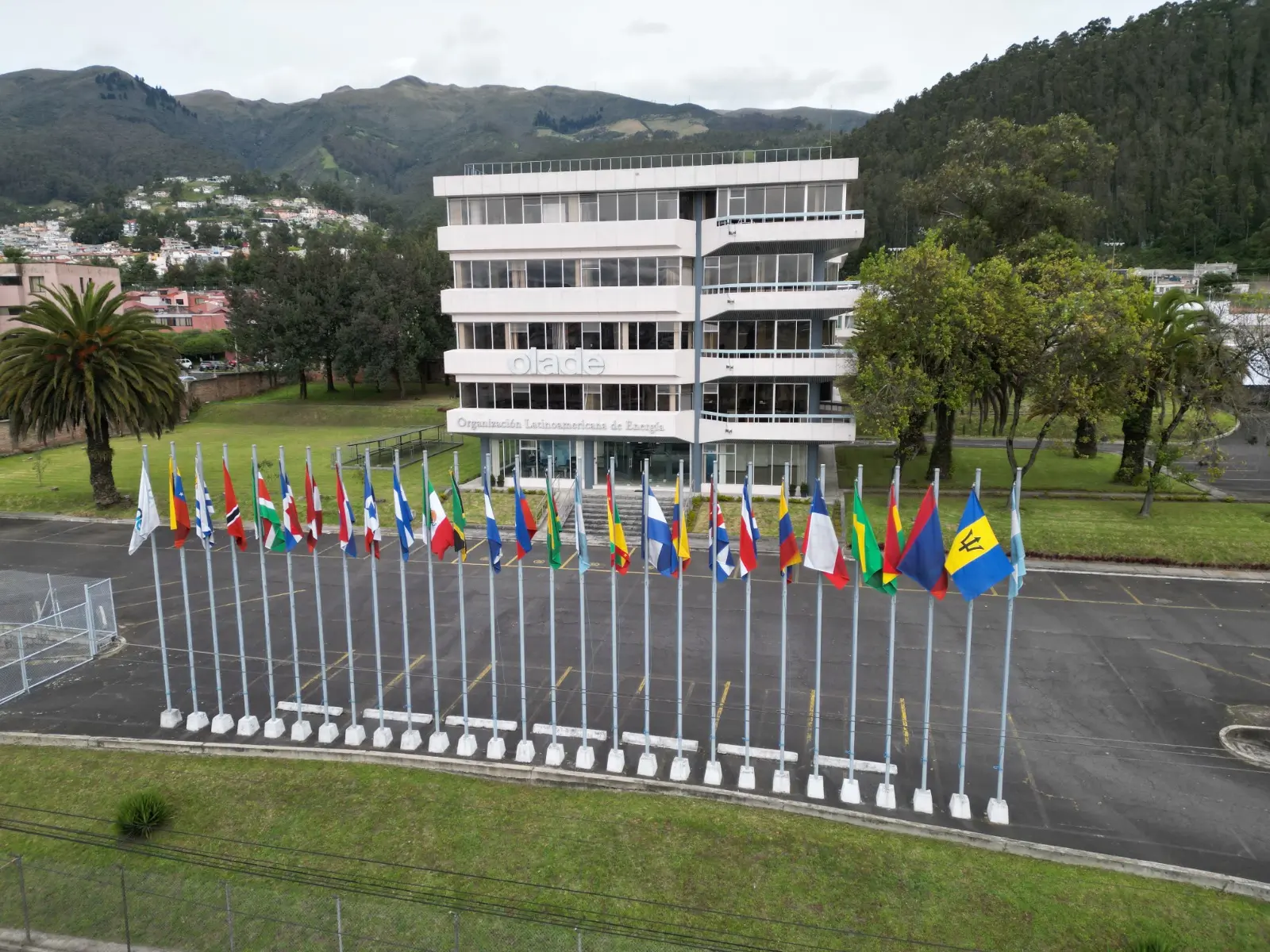
The Latin American and Caribbean Energy Organization (OLACDE) is an intergovernmental public body of cooperation, coordination and technical advisory, established on November 2, 1973 by signing the Lima Agreement, ratified by 27 countries in Latin America and the Caribbean, with the fundamental objective of promoting the integration, conservation, rational use, commercialization and defense of the region’s energy resources.

How was it created?

OLACDE, arises from the search for a new equitable economic relationship between Latin American and Caribbean countries, in a regional context marked by large imbalances between the structure of energy consumption and the ability to satisfy it with local resources. At the beginning of the 1970s, during the oil price crisis, the energy authorities of Latin America and the Caribbean, as a result of two consultative meetings, valuing integration as an encouraging option for covering the energy needs of the region and a gradual solution to the large gaps in the trade balances of the oil importing countries, the establishment of a regional body dedicated to energy development was considered.

Aware of the need to coordinate actions for the development of energy resources and jointly address problems related to their efficient and rational use, the region’s energy ministers gathered in Lima, Peru to constitute an intergovernmental body aimed at promoting the use of energy resources as a factor of regional integration, reaffirming the importance of coordinating solidarity actions for their defense and preservation.

In this context, the plenipotentiaries designated by the founding Member States, on November 2, 1973, signed the Lima Agreement, an instrument that, at the forefront of its times, proposes, through the creation of a cooperation and advisory body, promoting energy integration based on solidarity of actions for the independent development of energy resources. In order to achieve these ends, the OLACDE constitutive treaty proposes the promotion of effective national policies aimed at guaranteeing the rational use of energy resources, serving as a platform for the design and implementation of a regional energy policy that enables Member Countries to insert themselves as a block in the international scene. In this sense, the Lima Agreement includes among the objectives and functions of OLADE, the coordination of interstate negotiations aimed at ensuring the stable and sufficient supply of the energy necessary for the integral progress of nations, tending industrialization and the corresponding development and the complementation of the infrastructure and means of transport.

Mission

To contribute to the integration, sustainable development and energy security of the region, advising and promoting cooperation and coordination among its Member Countries.

Vision

The political Organization of technical support, through which its Member States make common efforts for regional and subregional energy integration.

Executive Secretary

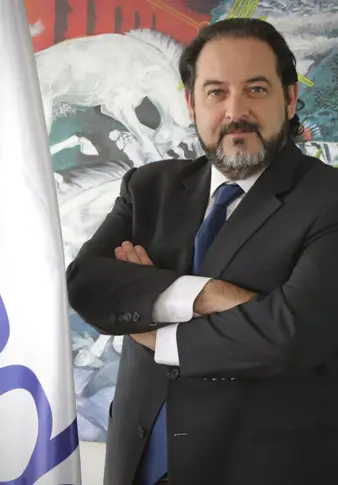
Andrés Rebolledo Smitmans
2026-2029

Andrés Rebolledo Smitmans was re-elected as Executive Secretary of the Latin American and Caribbean Energy Organization (OLACDE) for the 2026–2029 term during the 55th Meeting of Ministers of Energy of OLACDE, held in Chile in October 2025, in accordance with the provisions of the Lima Agreement.

His re-election reflects the endorsement of member countries for the management carried out between 2023 and 2025, a period during which OLACDE consolidated its position as a regional technical and political benchmark in energy integration, clean energy transition, international cooperation, and capacity building.

With more than 30 years of professional experience, Andrés Rebolledo has held senior technical and political positions in the energy sector, international economic relations, and multilateral organizations. He is an economist from the University of Chile.

He served as Chile’s Minister of Energy (2016–2018), leading a profound transformation of the Chilean energy sector through the large-scale incorporation of non-conventional renewable energy, promoting a cleaner, more competitive, and more efficient energy matrix. During his tenure, regulatory frameworks were developed to promote electromobility, and strategic foundations were established for the development of green hydrogen, through a broadly participatory process involving public and private stakeholders.

He also held the positions of President of Chile’s National Oil Company (ENAP), Vice Minister of International Economic Relations, Ambassador of Chile to Uruguay, Representative to the Latin American Integration Association (ALADI), and consultant to the Inter-American Development Bank (IDB) and other international organizations.

In academia, he has taught in postgraduate programs at various Chilean universities and served as Dean of the Faculty of Administration and Business at SEK University of Chile between 2020 and 2022.

During his current 2026–2029 term, his leadership is focused on deepening regional energy integration, strengthening energy diplomacy, accelerating the adoption of clean technologies, promoting energy security and universal access, and advancing OLACDE’s institutional modernization, positioning Latin America and the Caribbean as a region capable of delivering energy solutions on the global stage.
 

Governance Bodies

Meeting of Ministers

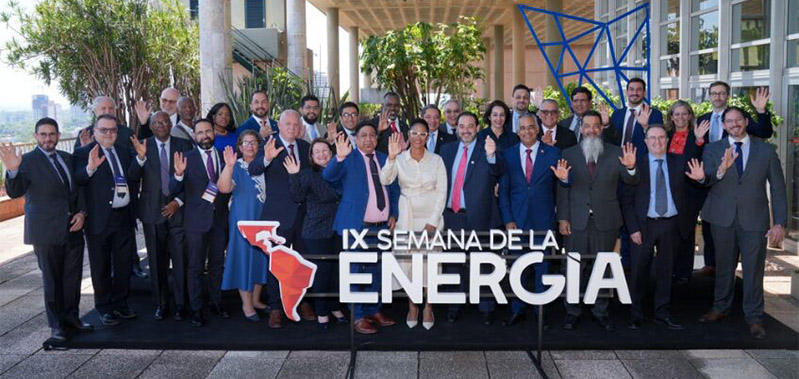
It is the highest authority in the hierarchical structure of the Organization. Its main functions include: the formulation of institutional policy and the approval of work plans, budgets, activity reports, balance sheets and financial statements. It is made up of the Ministers of Energy, Secretaries of State, or whoever takes their place in each Member Country. As a governance body, it has the permanent capacity for the exercise of its powers, maintaining its composition and authority even outside its sessions. It meets ordinarily once a year, and extraordinarily when required in accordance with the provisions of the Organization’s internal regulations.
The Lima Agreement includes among its powers: recommending policy alternatives to overcome disadvantageous situations that affect the Member States; examine and evaluate the results of the activities of the Permanent Secretariat; set the contributions of the Member States; approve and modify the Internal Regulations; appoint and remove the Executive Secretary; and to know, approve or deny the entry of new Members as well as the incorporation of Permanent Observers and Non-Full Members in to OLADE. It exercises its authority by approving guidelines and mandates contained in Ministerial Decisions, which are executed by the Permanent Secretariat with the support and advise of the Council of Experts.

Council of Experts

It is the advisory body in charge of providing technical support and assistance to the Meeting of Ministers and the Permanent Secretariat, in all matters related to the fulfillment of the objectives and functions of the Organization, in correspondence with the requests and needs of the Member States. .

It acts as a preparatory commission for the Meeting of Ministers and is in charge of carrying out studies and implementing activities entrusted to it by the highest governing body of OLADE. It is made up of Delegates appointed by the Member States.

It meets regularly twice a year, and extraordinarily according to the causes set forth in OLADE’s internal regulations.

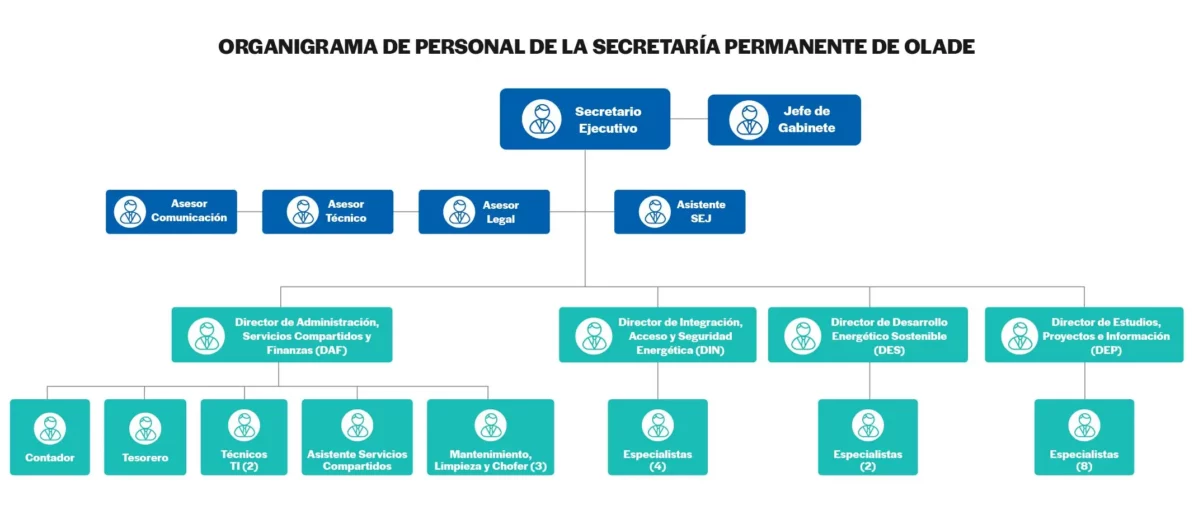
Permanent Secretariat

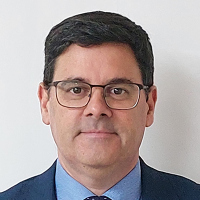
Mijal Brady

Chief
of Staff

Fitzgerald Cantero

Director of Studies, Projects
and Information

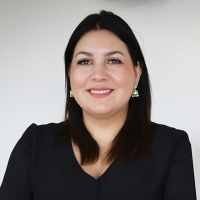
Gloria Alvarenga

Director of Energy Integration, Access
and Security

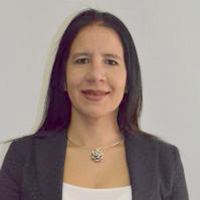
Begoña Andrade

Administration, Finance
and Shared Services Director

Gaston Siroit

Technical
Advisor

Tatiana Castillo

Legal
Advisor

Organizational Structure

Alianzas

Add New Playlist