

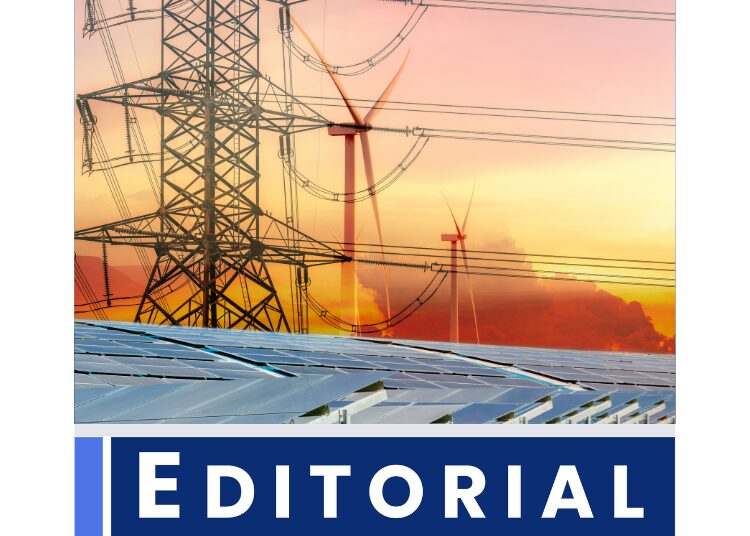
Latin America and the Caribbean (LAC) is making decisive progress toward a more sustainable electricity mix. The strategic challenge we now face is to transform millions of tonnes of solar panels, batteries, and wind turbines reaching the end of their useful lives into a driver of regional integration, reindustrialization, and energy security.
For years, progress in the energy transition has been measured primarily in terms of installed renewable capacity, emissions mitigation, and the displacement of fossil fuels. The region’s achievements are undeniable: by 2025, an estimated 67.4% of regional electricity generation came from renewable sources.
However, this leadership raises a critical question: what will happen to these components once they reach the end of their operational life? The response to this challenge will not only determine the sustainability of the model, but also open an unprecedented frontier for socioeconomic development and productive integration.
According to OLACDE projections, by 2050 more than 81 million tonnes of critical materials will be embedded in the region’s renewable energy infrastructure. Far from representing an environmental liability, these materials constitute a strategic industrial asset. Through regional recovery, reuse, and recycling frameworks, their recoverable economic value is estimated to reach US$209 billion by 2050.
The energy transition, therefore, cannot be viewed solely through the lens of clean energy generation. It is essential to make coordinated decisions on who will recover these materials, what technological and industrial capabilities the region will develop to process them, and how the value generated by this emerging production chain will be distributed across the region.
From Waste to Strategic Inputs for Regional Integration
The scale of this potential is significant. By mid-century, energy transition infrastructure will have absorbed approximately 36 million tonnes of steel, 10 million tonnes of aluminum, and 4 million tonnes of copper. The systematic recovery of these resources will help ease pressure on extractive activities, reduce the carbon footprint associated with mining, and strengthen the resilience of supply chains across our countries.
An Opportunity for Reindustrialization and Regional Autonomy
For LAC, adopting a circular approach goes far beyond the scope of conventional environmental policy; it represents a genuine strategy for regional integration and energy-related industrialization. Efficient management of critical materials will help reduce dependence on imports from outside the region, consolidate regional value chains, create specialized technical employment, and strengthen collective energy sovereignty.
The Next Step: Closing the Loop on Energy Integration
Moving beyond our role as mere recipients of technology or suppliers of raw materials is the natural next step toward our shared future. By taking a leading role in global value chains, Latin America and the Caribbean will not only drive technological innovation, but also consolidate a regional ecosystem in which industrial value can flourish—and remain within the region.