

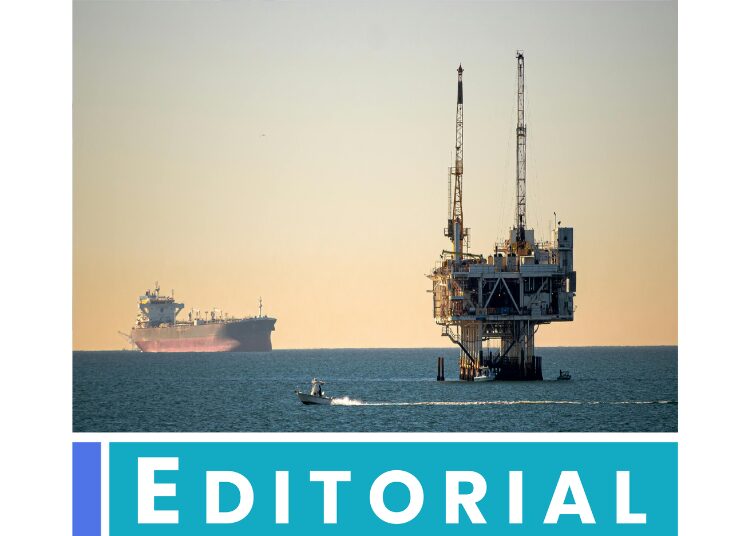
The growing tension in the Persian Gulf once again makes clear that oil remains the main channel through which international crises are transmitted to economies. Latin America and the Caribbean (LAC) are not immune to this reality. Despite having one of the cleanest electricity systems in the world, the region remains exposed to instability in the oil market, especially in the transport, logistics, and industrial sectors, where liquid fuels still dominate.
The impact of oil in LAC is not uniform. Importing countries face a series of challenges, including inflationary pressures, deterioration of the trade balance, and fiscal tensions resulting from increased fuel subsidies. In contrast, exporting countries may experience short-term fiscal relief due to increased export revenues. However, both groups share a common risk: high vulnerability to the volatility of international hydrocarbon markets.
In this context, the transition to cleaner energy sources goes beyond the climate agenda; it becomes an energy security imperative. LAC has a significant advantage: approximately 70% of its electricity generation comes from renewable sources, predominantly hydropower. This condition provides greater resilience to energy crises compared to other regions of the world. However, this strength in the electricity sector contrasts with the persistent dependence on oil in the transport sector and part of the industrial sector, which explains the significant impact of oil market shocks on the regional macroeconomy.
LAC’s ability to strengthen its energy security will depend on progress in greater electrification of new energy consumption (electromobility, industrial processes, heating and cooling), the development of sustainable biofuels, and low-emissions hydrogen.
Furthermore, regional energy integration is a strategic response to mitigate vulnerability to external shocks. The development of electricity interconnections, joint energy planning, and regulatory convergence will help diversify risks, optimize resources, and increase the flexibility of electricity systems—key elements in an increasingly volatile international environment.
The paradox is evident: although increases in oil prices may provide temporary fiscal relief to several countries in the region, they also underscore the urgency of accelerating the energy transition. Future economic competitiveness will not depend solely on the availability of hydrocarbons, but on the ability to implement more diversified, electrified, and technologically advanced energy systems.
The energy transition in LAC goes beyond climate commitments; it is rooted in an economic and geopolitical logic. The region has renewable resources, critical minerals, and significant industrial potential that position it as a key player in the new global energy economy.